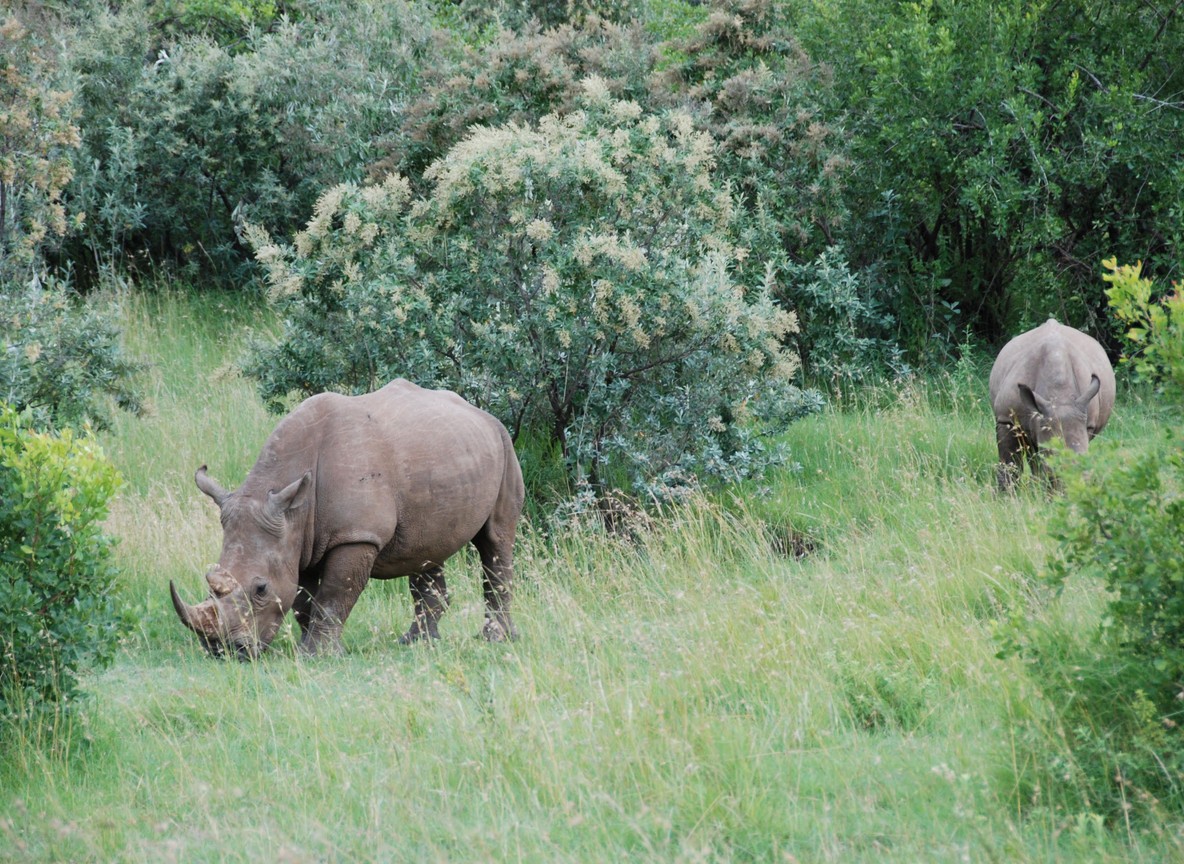
Ol Pejeta Conservancy is known for rhinos and ranger patrols. A quieter program on the same land changes how local families sell cattle. Instead of haggling with a roadside broker who guesses an animal’s weight by eye, herders bring cattle onto the conservancy’s own market system. There, a weighbridge sets the price. Touring Insights looks at how this works, who benefits, and why it matters for anyone visiting Laikipia.
This is not a side project. It sits at the center of how Ol Pejeta pays for conservation without shutting neighboring communities out of the land.
Why Ol Pejeta Built a Livestock Program
Ol Pejeta sits on the equator in Laikipia County, about 200 km north of Nairobi. That is roughly a 3 to 3.5 hour drive, or a 45-minute flight to Nanyuki. The conservancy covers approximately 364 km2 (90,000 acres). It shares long, mostly unfenced boundaries with pastoralist group ranches, including communities near Il Motiok and Musul.
For generations, pastoralist families in this part of Laikipia have depended on cattle, sheep, and goats for income. During dry spells, community grazing land runs thin fast. Herders have historically pushed livestock into wildlife areas out of necessity, which raises the risk of conflict with lions and other predators. Ol Pejeta’s answer was to formalize that overlap. Community-owned cattle now graze inside the conservancy on a managed schedule, and owners get fair prices when animals are ready for sale.
How the Cattle Program Actually Works
Ol Pejeta runs its own commercial herd of Boran cattle, reported at several thousand head. The herd grazes in rotation alongside wildlife rather than in fixed paddocks. This rotational approach mimics how wild grazers naturally move across grassland, resting each block of pasture before cattle return to it.
During drought years, the conservancy opens sections of this rotation to community-owned herds under grazing agreements with neighboring group ranches. Herders pay an indicative grazing fee tied to herd size and season. In return, their cattle gain weight on managed pasture instead of losing condition on overgrazed community land. Healthier cattle at sale time is the whole point. A thin animal earns far less than a well-conditioned one, regardless of where it grazed.
Weighbridge Pricing: The Real Fix
The part that most changes a pastoralist’s income is not the grazing itself. It is how the animal gets priced when it is sold. Traditional roadside cattle markets across Laikipia and much of northern Kenya still rely on brokers who estimate live weight by eye. They then offer a single flat price for the animal.
Ol Pejeta’s livestock market uses a weighbridge instead. Cattle are weighed before sale, and the price comes from actual live weight and a basic quality grade, not a broker’s guess. Herders can see the number on the scale before they agree to sell. That transparency alone closes much of the gap between what a broker historically offered and what an animal was actually worth.
Where the Money Goes
Ol Pejeta funds this system through its broader conservation economy, which blends tourism revenue, cattle sales, and partner support. A share of proceeds from the conservancy’s own herd, plus fees from the community grazing program, feeds into local development work. Boreholes, classroom blocks, and health posts in villages bordering the conservancy come from these funds, delivered through Ol Pejeta’s community programs.
For pastoralist families, the benefit is two-sided. Cattle that graze on Ol Pejeta land during dry periods survive the season in better shape. When it is time to sell, the same conservancy that hosted the grazing offers a transparent, weight-based price. That beats a forced trip to a distant, broker-controlled market.
Fewer Predator Conflicts, Not More
Bringing livestock closer to lions and leopards sounds like a recipe for conflict. The program is actually built to cut conflict, not add to it. Grazing blocks are scheduled and supervised, so cattle move as managed herds with herders present. They do not wander unguarded into predator territory. That structure matters, since most livestock kills on unprotected community land happen to unattended animals at night.
Ol Pejeta and its community partners have also promoted predator-proof boma designs. These reinforced enclosures keep cattle secure after dark, part of a wider push to reduce retaliatory killing of lions near conservancy boundaries. Fewer conflict incidents mean fewer reasons for a herder to see a lion as a direct threat to their livelihood. That is a quieter, but equally important, outcome of the whole program.
Ol Pejeta Livestock Market: The Numbers
| Detail | Figure |
|---|---|
| Conservancy size | approx. 364 km2 (90,000 acres) |
| Distance from Nairobi | approx. 200 km, 3-3.5 hrs by road; approx. 45 min flight to Nanyuki |
| Ol Pejeta’s own cattle herd (reported) | several thousand head of Boran cattle |
| Community grazing access | opened seasonally, mainly during drought, under grazing agreements |
| Pricing method | weighbridge, live weight plus quality grade |
| Grazing fee | indicative, tied to herd size and season, confirm current rates locally |
| Neighboring communities involved | group ranches near Il Motiok and Musul, among others |
| Non-resident adult conservancy entry fee | $90-100 (indicative, confirm before travel) |
Ol Pejeta’s Model vs a Roadside Cattle Market
| Feature | Ol Pejeta livestock market | Typical roadside broker market |
|---|---|---|
| Pricing basis | Weighbridge, actual live weight | Visual estimate by the buyer |
| Price transparency | Herder sees the weight and rate | Single flat offer, rarely explained |
| Grazing support | Managed rotational pasture access | None, herder bears full drought risk |
| Revenue use | Partly reinvested in local infrastructure | Kept entirely by the trading middleman |
| Access | Seasonal, tied to grazing agreements | Open, but price varies by broker mood and demand |
What This Means for the Wider Community
The program does more than raise individual sale prices. It gives pastoralist families a reason to see the conservancy as a partner, not a fence keeping them off grazing land their families have used for generations. That shift matters for wildlife too. Communities who benefit from a conservancy’s presence are far more likely to tolerate the predators and elephants that come with it.
None of this replaces a pastoralist household’s own herd management. Ol Pejeta is clear that grazing access depends on rangeland condition each season, not a guaranteed year-round right. Still, as a model for pairing conservation land with a fairer livestock economy, it has drawn interest from other conservancies. Groups across Laikipia and the wider Ewaso ecosystem are watching it to reduce human-wildlife conflict the same way.
Explorer Notes
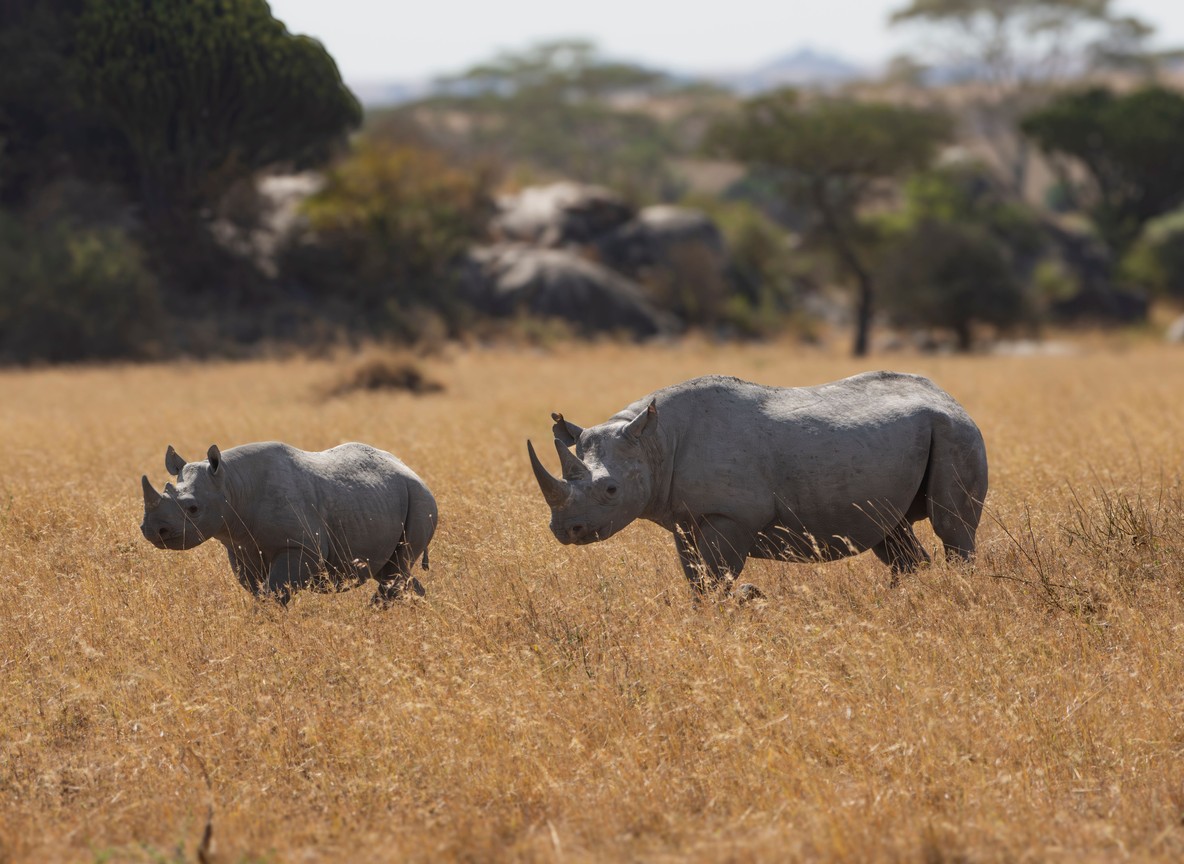
A few details guides mention rarely make it into official material. First, the grazing rotation is planned around wildlife movement first, cattle second. Herders sometimes wait days for a block to open, even during a dry spell. That frustrates newcomers to the program, but it keeps the rangeland from collapsing. Second, the weighbridge sits at a fixed collection point rather than moving to each village. Herders still trek animals a real distance to sell, just a shorter and more predictable one than a trip to a distant broker town. Third, camps operating inside or near Ol Pejeta, including Sweetwaters Serena and Kicheche Laikipia Camp, sometimes arrange visits to see the livestock program in action alongside a standard game drive. It is worth asking about if you want to see conservation economics up close, not just wildlife.
FAQ
What is the Ol Pejeta livestock program? It is a managed grazing and cattle sale system. Community-owned herds graze on conservancy land during dry periods, then sell animals through a weighbridge-based pricing model instead of a roadside broker.
How does Ol Pejeta make cattle prices fairer for pastoralists? Cattle are weighed before sale and priced on actual live weight and quality. Herders see a transparent number instead of accepting a broker’s flat visual estimate.
Can community cattle graze inside Ol Pejeta year-round? No. Access is seasonal and tied to grazing agreements. It opens mainly during drought, when community land runs thin, and depends on rangeland condition each season.
Which communities work with Ol Pejeta’s livestock program? Group ranches bordering the conservancy are among the partners. Areas near Il Motiok and Musul are among the communities with grazing agreements in place.
Can visitors see the livestock program at Ol Pejeta? Some camps inside or near the conservancy, such as Sweetwaters Serena and Kicheche Laikipia Camp, can arrange a look at the cattle program alongside a game drive. It is not a standard bookable activity everywhere.
Seeing how Ol Pejeta pairs a working cattle economy with rhino conservation adds a layer most safari itineraries skip. If you want a Laikipia itinerary that includes this side of conservation, visit our Tour Packages page or ask a partner operator to build a community-program stop into your Ol Pejeta days.